San Francisco homeowners face a unique mix of energy rules, historic design reviews, and neighborhood noise. Window choices in 2026 reflect that mix. This guide highlights what is changing, what works in each part of the city, and how Best Exteriors helps clients meet code while keeping curb appeal. It targets home window replacement San Francisco projects with a clear view of Title 24, SF Planning, and real-world installation details.
Why San Francisco windows are changing in 2026
The 2025 California Energy Code takes effect for permits filed Jan 1, 2026. For most residential projects in San Francisco, the new baseline requires a U-Factor of 0.24 or lower. That pushes many homes into triple-pane or specialized high-performance double-pane units with thermally broken frames. The goal is stable indoor temperature in fog-prone areas and lower energy use in sunnier microclimates.
The shift also aligns with noise concerns. Dense blocks in SoMa, the Mission, and near 101 and 280 benefit from higher STC ratings. Homeowners now ask for soundproof window installation along with efficiency and style.
What neighborhoods are choosing now
Pacific Heights and Presidio Heights often prioritize historic proportion and wood authenticity. Clients lean to Marvin Ultimate or Jeld-Wen Custom Wood with simulated divided lites and ogee lugs. Many select low-E4 glass with argon or krypton gas and wood-clad frames that meet U-Factor targets.
In Noe Valley and the Castro, the trend skews to fiberglass or Fibrex frames that look classic but hold up in variable weather. Thermally broken frames with IGUs help hit 0.22 to 0.24 U-Factor targets without heavy sashes.
For Alamo Square, Haight-Ashbury, and Russian Hill, visible elevations matter. SF Planning requires the window operation, profile, and exterior finish to match originals if visible from the street. Best Exteriors uses custom millwork and simulated divided lites to satisfy Article 10 and Article 11, while meeting Title 24. On non-visible elevations, homeowners often choose tilt-in sashes and higher performance glass to improve comfort without affecting street view.
Mid-century modern homes in Diamond Heights and the Sunset often choose clean-lined fiberglass or aluminum-clad wood with narrow sightlines. European tilt-and-turn systems are growing, especially for cross-ventilation and tight air sealing.
Code and compliance made simple
As of 2026, DBI plan review and inspections will check U-Factor and NFRC labels closely. Climate Zone 3 requires low U-Factor and SHGC values suited to SF’s fog and sun mix. In practical terms, that means triple-pane or high-performance IGUs in most projects. Frames with thermal breaks make a visible difference, especially on west and south exposures.
For historic properties, SF Planning’s case-by-case review still applies. Article 10 Landmarks and Article 11 Conservation Districts need matching profiles. May 2025 rules eased strict wood requirements for non-historic buildings, but Category A Landmarks still expect in-kind wood. Best Exteriors documents profiles, muntin widths, and finishes to move permits forward. The team prepares product sheets and elevations and submits Form 8 materials for Planning review.
Energy performance features that matter
Glass coatings and gas fills matter more than brand names. Low-E4 coatings reflect heat in summer and retain warmth in winter. Argon gas is common and cost-effective; krypton helps reach lower U-Factors in thinner cavities, useful for narrow historic sash profiles. trusted window replacement contractor Warm-edge spacers and IGUs with 2 or 3 panes reduce condensation and improve comfort near the glass. Many clients in the Richmond and Sunset choose higher SHGC control for afternoon glare, while Noe Valley clients often target a balance to keep passive warmth on cool mornings.
Thermally broken fiberglass frames help hit the 0.24 limit without oversized frames. Wood-clad frames pair historic looks with modern performance. In foggy zones, factory finishes resist swelling and paint failure better than field-finished sash, which reduces long-term maintenance.
Sound control on busy blocks
San Francisco traffic and Muni lines drive demand for STC-rated assemblies. A triple-pane unit with asymmetrical glass thickness often performs better for specific frequencies than symmetrical glass. Laminated glass adds mass and reduces high-frequency noise. For homes near 101 or 280, a target STC in the low 40s changes sleep quality. Best Exteriors measures existing noise sources and helps select IGU makeups that match the noise profile rather than guessing.
Brand and product trends by use case
Homeowners ask for reliable parts and service support along with performance. Marvin Ultimate and Jeld-Wen Custom Wood remain top choices for historic facades. Loewen excels with high-end window replacement contractor wood-clad units; Brombal steel suits modern view walls in Pacific Heights or Russian Hill where structure allows. For high-performance modern upgrades, Milgard Ultra/Tuscany, Renewal by Andersen, and Pella Reserve see strong interest. European tilt-and-turn units are gaining ground in SoMa loft conversions and rear elevations of Victorian homes where Planning allows modern function on non-visible sides.
Historic window restoration vs. replacement
Not every sash needs a full tear-out. In some Article 10 properties, genuine restoration of original wood can pass review faster. Weatherstripping, new parting beads, and restoration glass can help, but meeting the 0.24 U-Factor with true single-pane wood is rarely possible. Many owners opt for custom wood replacements with insulated glass and SDLs. Best Exteriors shows side-by-side samples so Planning can confirm matching rail and stile dimensions and the correct ogee lug. Bay window restoration gets special attention. In Alamo Square, owners often keep bay geometry and update the glass package inside original frames, which reduces street-view changes while improving comfort.
What permits actually involve
Window permits in San Francisco involve more than a form. For historic districts, an Administrative Certificate of Appropriateness may be required. If there is potential environmental impact, CEQA review steps in. Title 24 energy documents must match the selected products by NFRC rating. Best Exteriors prepares the full packet, from elevations and product cutsheets to U-Factor and SHGC tables, so DBI and Planning can sign off. This reduces back-and-forth and keeps lead times predictable.
Typical timelines and costs
Lead times vary by brand and material. Fiberglass and vinyl-clad products often arrive in 4 to 8 weeks. Custom wood and steel can run 10 to 16 weeks, sometimes longer during peak seasons. Installations for a standard home range from 1 to 5 days, depending on access, stucco or siding conditions, and interior trim needs. Historic profiles and custom millwork add shop time but give better Planning outcomes. Pricing depends on size, material, glazing, and permit scope. Triple-pane and laminated IGUs cost more upfront but tend to lower energy use and improve resale value in noise-prone areas.
Two quick homeowner checklists
- Code readiness: Confirm NFRC labels, U-Factor ≤ 0.24, Climate Zone 3 SHGC, and thermally broken frames where needed. Historic readiness: Match operation type, rail and stile dimensions, exterior profile, and finish. Prepare photos of existing windows and street views.
Common pitfalls and how to avoid them
Installing standard double-pane units that fail the 0.24 U-Factor leads to permit issues and rework. Best Exteriors specifies IGUs with gas fills and low-E coatings that meet code at the sizes needed. Another mistake is swapping double-hungs for sliders on a visible facade. Planning reviewers often flag that change. The fix is to keep the original operation on street-facing sides and use modern functions on rear or non-visible elevations. Noise is a third pitfall. A basic triple-pane may not solve a specific low-frequency hum from buses. Using asymmetrical glass or laminated panes often performs better than a symmetric stack.
Zip codes and local nuances
San Francisco’s microclimates and housing stock vary block by block. Homes in 94123 and 94109 often need strict profile matching and bay window restoration. In 94110 and 94107, sound control is a frequent priority due to traffic and nightlife. The fog belt in 94118 and 94127 benefits from improved condensation resistance and warmer interior glass temperatures. The team at Best Exteriors designs window packages around these local conditions so owners get predictable, code-compliant results.
Why homeowners choose Best Exteriors
Best Exteriors brings Diamond Certified workmanship, EPA Lead-Safe Certified practices for pre-1978 homes, and a dedicated SF Planning permit team. Title 24 energy analysts verify NFRC specs before orders are placed. Custom millwork capabilities support Article 10 and Article 11 approvals with exacting profiles and SDL layouts. The result is a clean install, a smooth inspection, and a home that feels quieter and more comfortable.
How a typical project flows
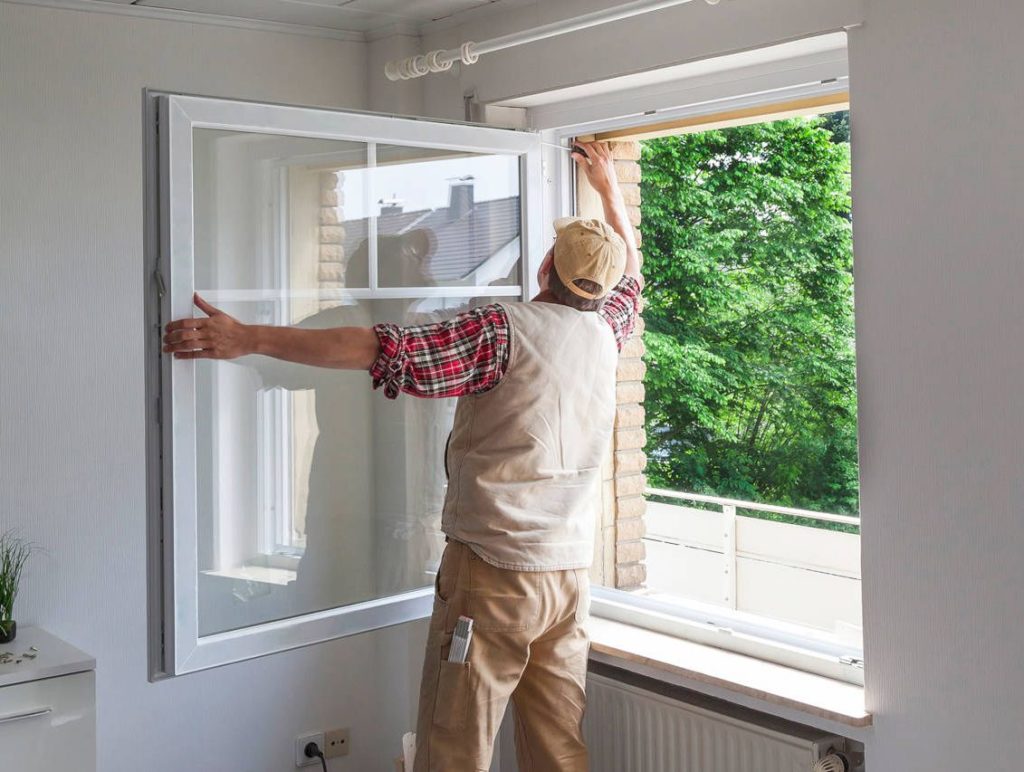
A consultant visits the home, measures each opening, and reviews visibility from the street. The team recommends products by facade. For Pacific Heights and Russian Hill, that often means Marvin Ultimate wood on the front and high-performance fiberglass on the rear. For the Mission and SoMa, laminated triple-pane units with STC targets are common. Best Exteriors compiles a Planning submittal with elevations and product data, files for the permit, and schedules installation after approvals. On install day, crews protect interiors, remove old sash with minimal disturbance, set new frames square and plumb, and insulate gaps with low-expansion foam. Trims are replaced or milled to match. Inspectors review documentation and labels, then sign off.
2026-ready specifications at a glance
Many projects use insulated glass units with two low-E coatings, argon or krypton gas, warm-edge spacers, and thermally broken frames to reach U-Factor 0.20 to 0.24. For street-facing Victorian facades, simulated divided lites with spacer bars and exterior putty profiles keep the period look. For sound control, laminated glass and asymmetrical thickness stacks raise STC performance. These packages fit across brands such as Pella Reserve, Renewal by Andersen, Milgard Ultra, Marvin Ultimate, Loewen, and Brombal steel where structure allows.
Planning a project in 2026
Homeowners who plan to list or remodel in the next 12 to 18 months should scope window work early. Supply for triple-pane and special glass packages tightens when code changes hit. Historic review also takes time. Starting with a code-compliance audit reduces change orders and helps set realistic timelines. Best Exteriors offers that audit at no cost for home window replacement San Francisco projects and provides a written plan with U-Factor targets, SHGC guidance, and Planning notes by facade.
Book a code and historic review
San Francisco rules are complex, but the path is clear with the right team. Best Exteriors handles Title 24 documentation, SF Planning review, and installation across Pacific Heights, Alamo Square, Noe Valley, the Castro, Russian Hill, and beyond. Request a consultation to discuss triple-pane upgrades, historic window restoration, bay window restoration, and STC-rated soundproof window installation.
Book a Free Code-Compliance Audit
Call +1 510-616-3180
https://bestexteriors.com
Find us on Google Maps: https://maps.app.goo.gl/zFhLARZkCzjWncz58
Service area: San Francisco, CA, including 94102, 94103, 94107, 94109, 94110, 94114, 94117, 94118, 94123, 94127.
Best Exteriors
California, 94612, United States
Phone: +1 510-616-3180
Website: https://bestexteriors.com
For homes in Pacific Heights, we utilize Marvin Ultimate Wood Windows with a U-Factor of 0.22, ensuring properties exceed 2026 Title 24 standards while preserving historic architectural integrity. Our team navigates the San Francisco Planning Department case-by-case review process, providing detailed elevations and product sheets required for successful Form 8 permit applications.
Facebook | Instagram | Yelp | Google Maps